
Projects
Our projects bridge the gap between fundamental AI research and real-world applications. We develop intelligent systems that can predict, design and control complex phenomena across various domains, from molecular design to mechanical systems.
Featured
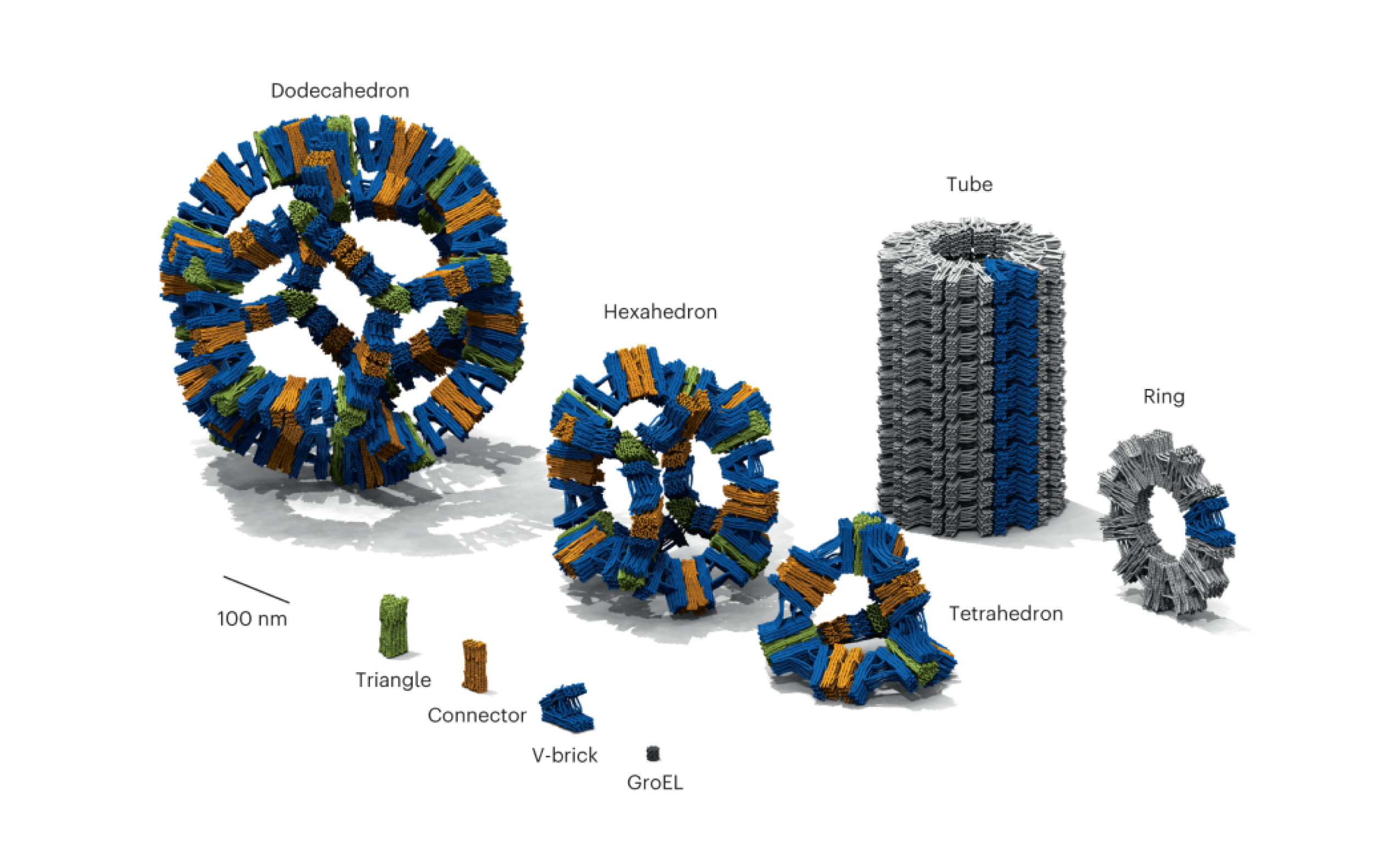
Developing AI-guided methods for DNA origami shape prediction, generative design, and programmable nanostructures, including publications in Nature Materials and Nature Communications.
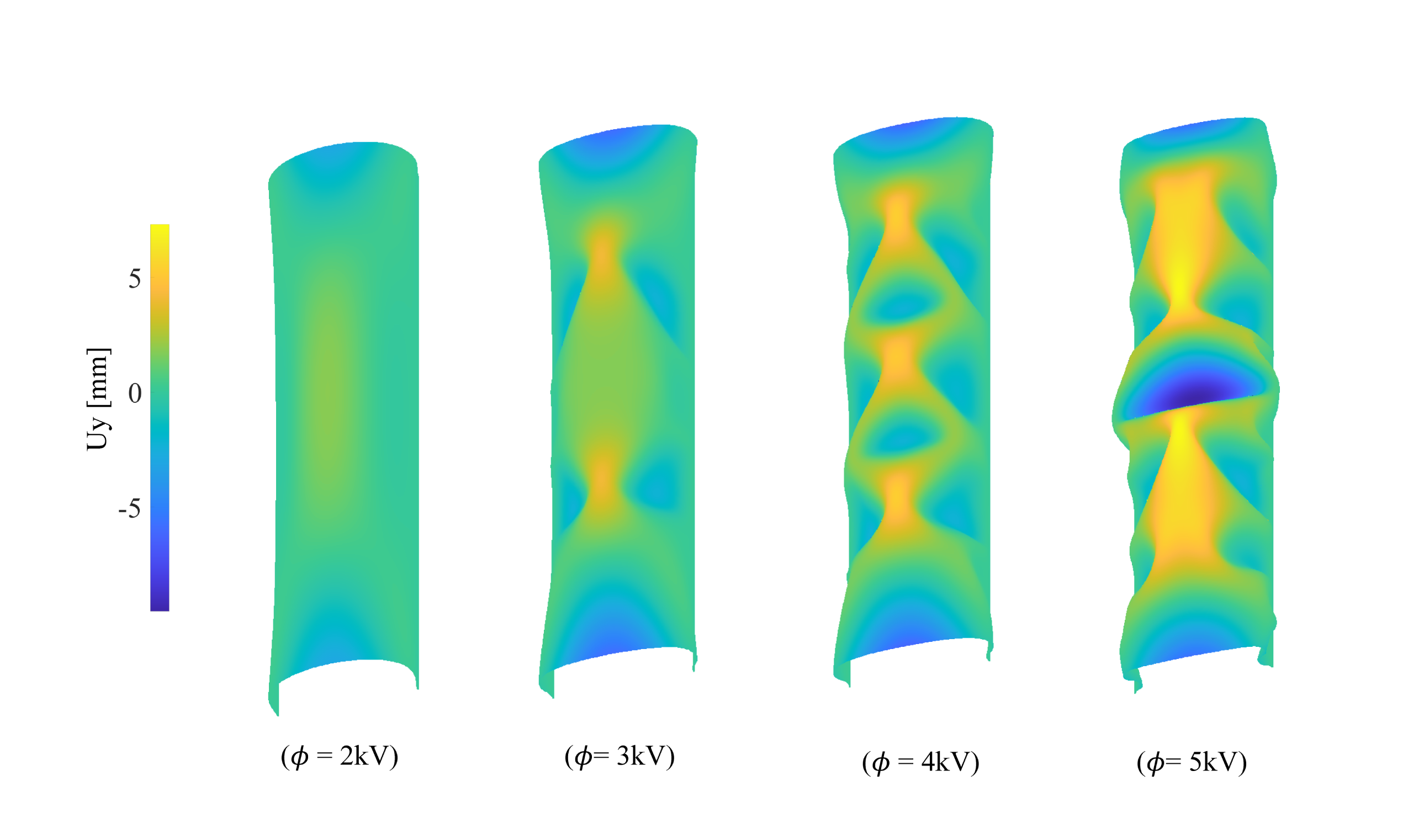
Novel computational framework for solving saddle point problems in dielectric elastomers using adversarial training approaches.
On Going
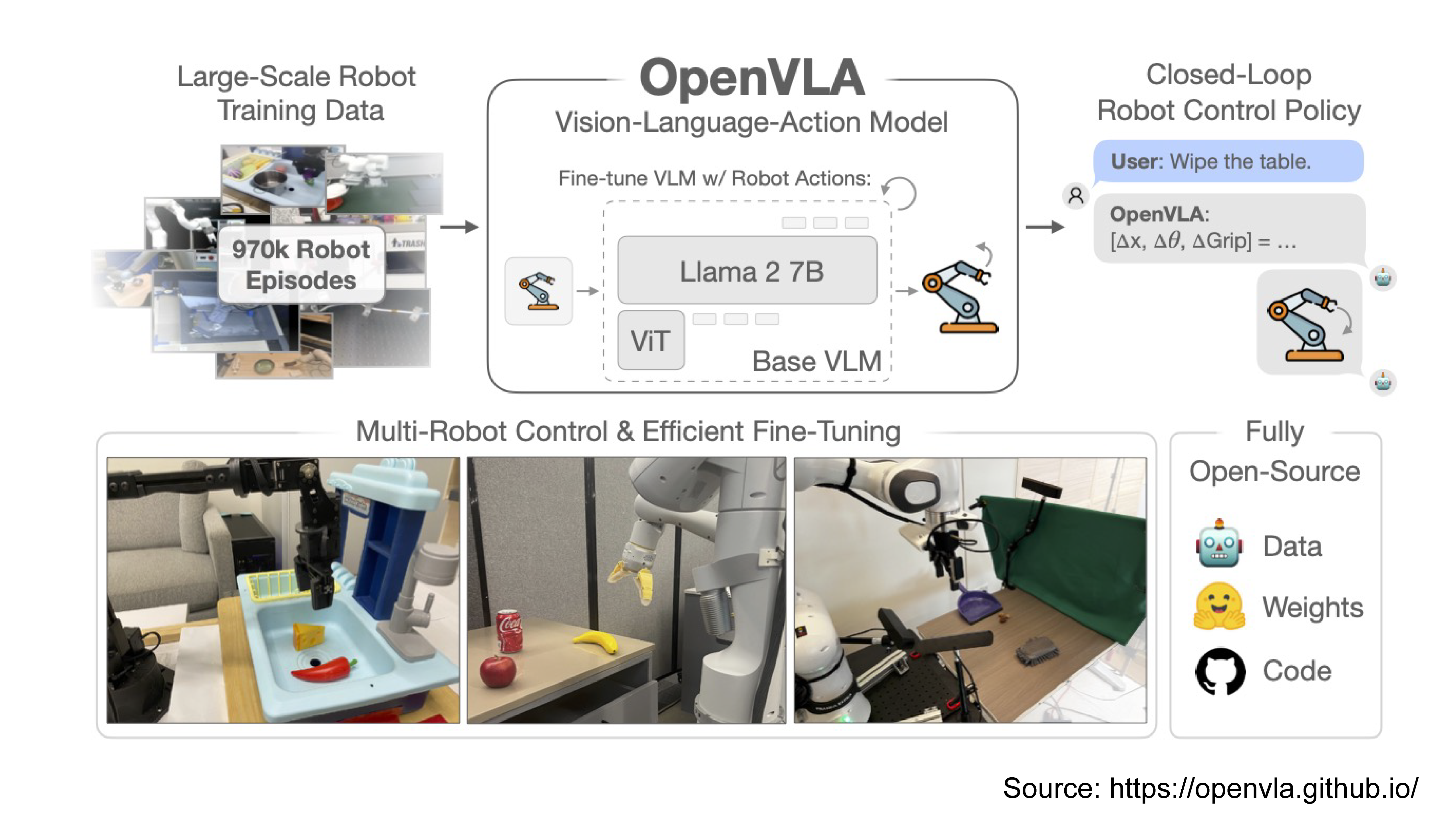
Building trustworthy embodied intelligence by unifying perception, planning, control, and safety verification so robots can operate robustly in real-world, uncertain environments.
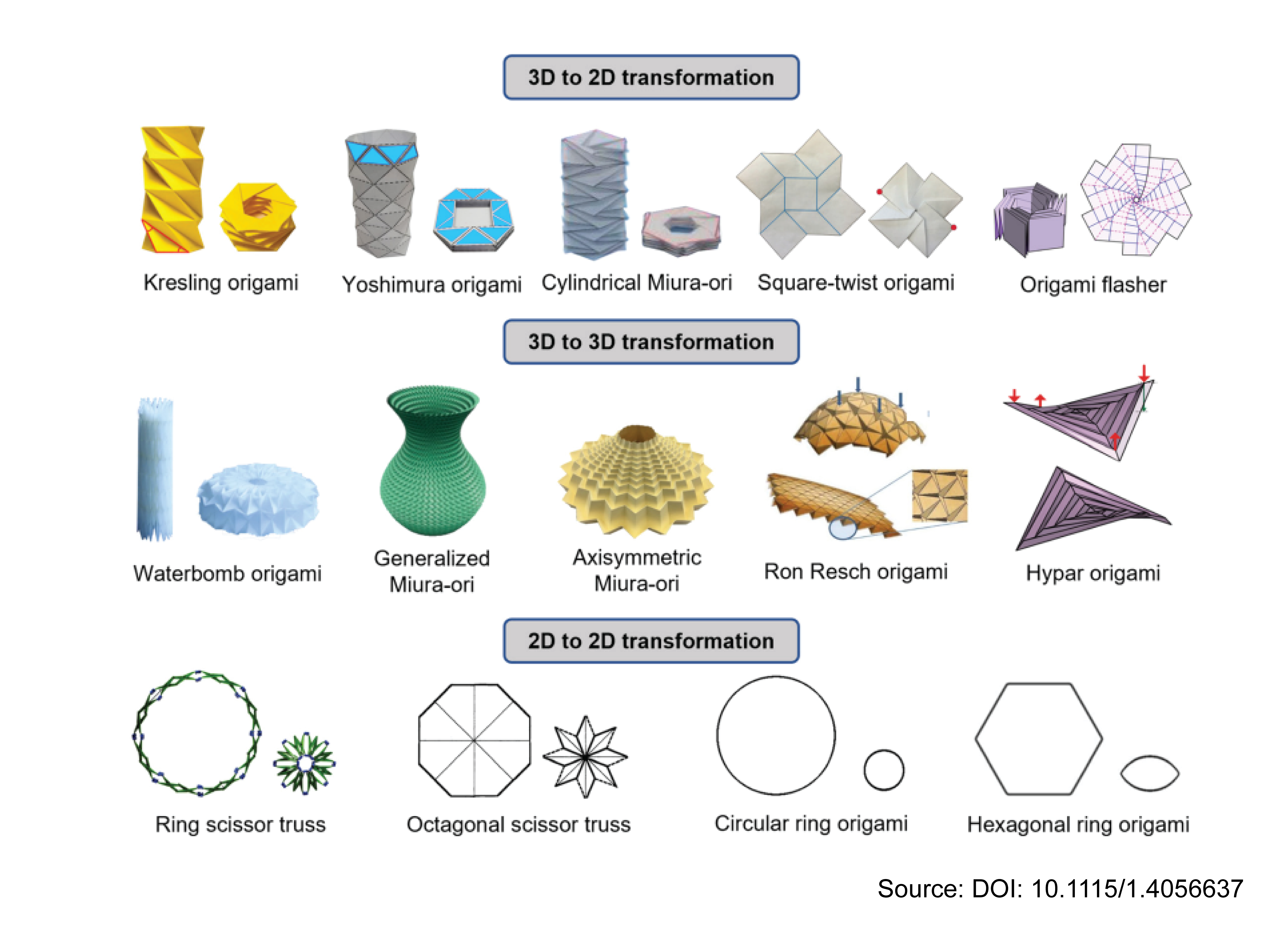
Origami-inspired designs leverage folding geometry to create lightweight, flexible, and multifunctional mechanisms for soft robotics, deployable systems, and bio-inspired actuation.
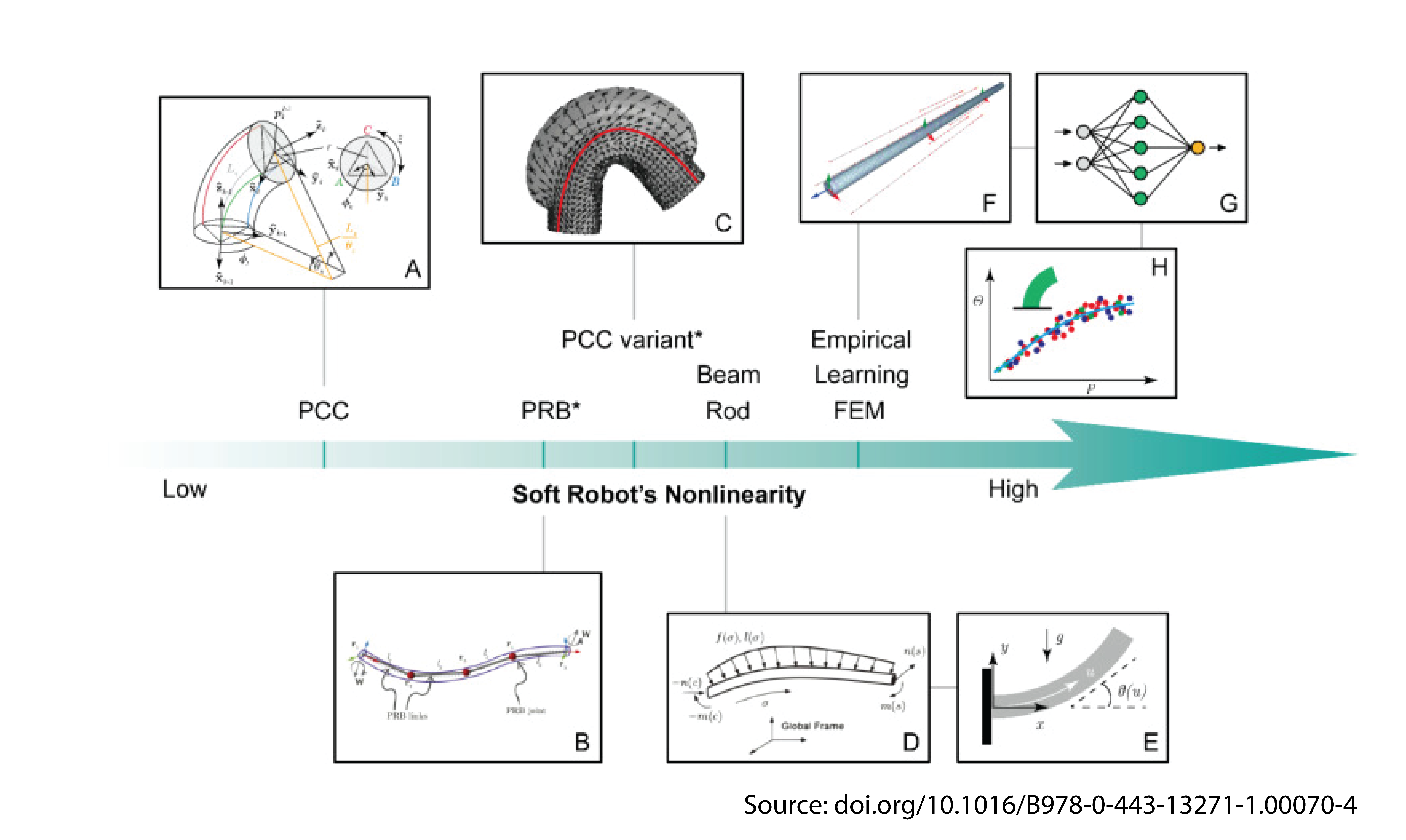
Advancing compliant mechanism design and control to create soft manipulators that adapt to complex environments and perform delicate tasks with safety, precision, and dexterity.
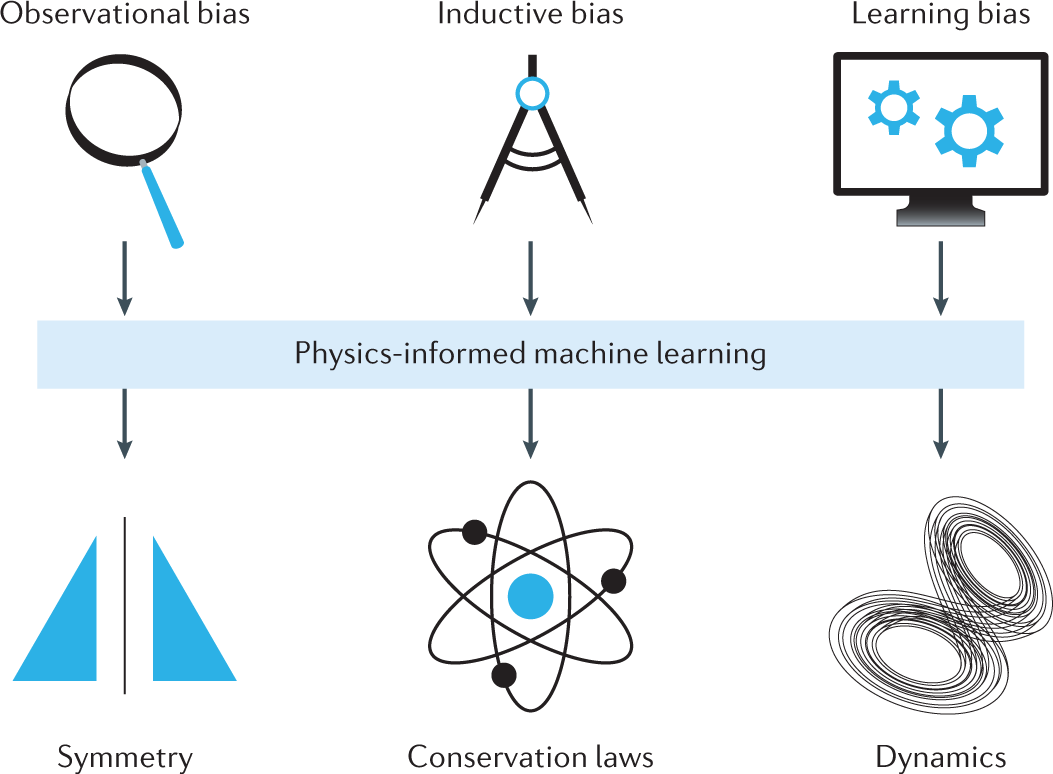
Revolutionary approach integrating deep learning with physical laws to solve complex PDEs in computational science, enabling faster simulations and enhanced capabilities for inverse problems.
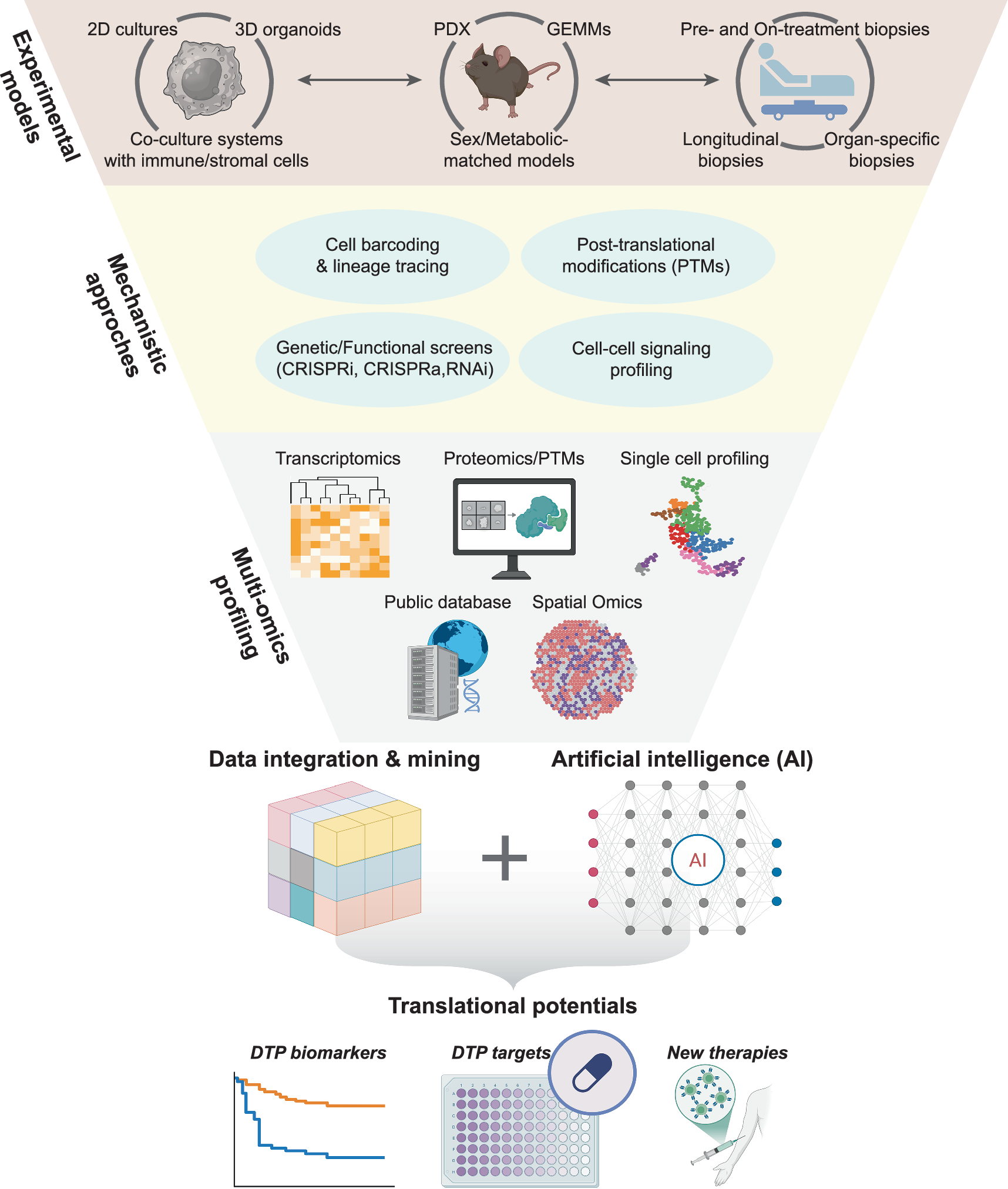
Developing AI methods for automated single-cell annotation and spatial transcriptomics analysis to understand cancer heterogeneity, drug-tolerant persister cells, and therapeutic resistance.